

Patella fracture. Causes, symptoms, types and effective treatment methods.
The knee is one of the most heavily used joints in the body and is frequently exposed to trauma and injury. A hard blow or a fall can cause damage, and one…
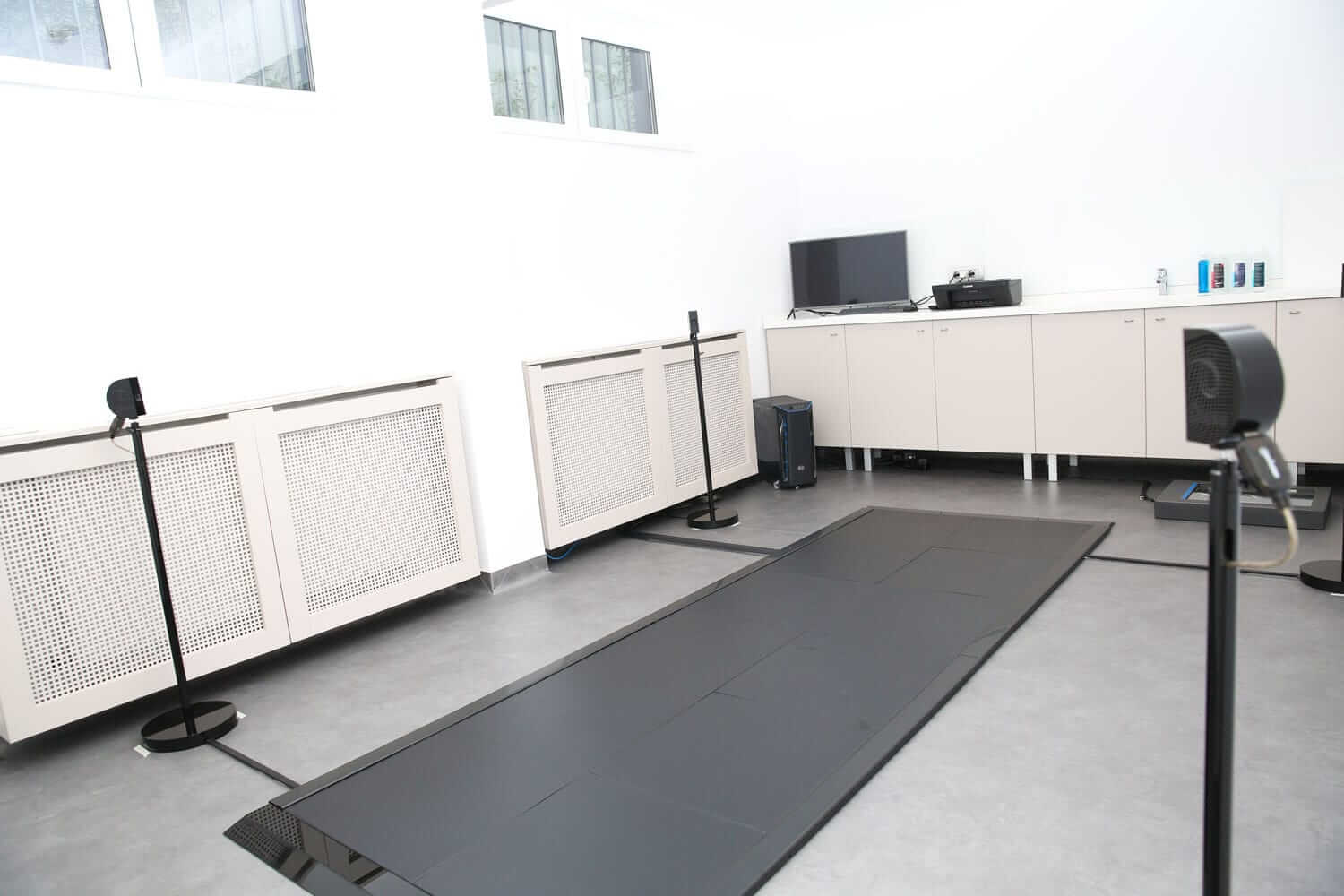 Medical equipment
Modern society is characterised by the speed of information and high-performance technologies, but also, on the other hand, by an extremely diverse range of conditions caused by postural defects. Sitting in front of a computer for hours on end affects the joints and posture. If the school bag a child carries does not offer adequate protection, the spine will suffer. Likewise, flat feet are not merely a minor inconvenience; they can affect the health of the whole body through postural imbalances and misalignments that are functional at first but may later become organic.
The 3D Baropodometric Test, a revolutionary investigation that corrects the effects of poor posture, is the most advanced technology currently available for detecting and correcting all the health effects arising from incorrect posture.
Many headaches and many instances of lower back, knee and neck, shoulder or elbow pain are caused by postural defects. From children and adolescents to adults and the elderly, these functional imbalances cause considerable health problems. According to studies, 70% of back pain has no specific cause in the spine itself, but stems from postural defects. Even many "remote" conditions (ophthalmological, neurological, ENT, etc.) are also caused by postural deficiencies. Yet all of these health problems can be prevented and corrected by consulting a posturology specialist.
Posturology is a multidisciplinary medical speciality, practised in Western countries and now introduced in Romania, which analyses deviations from correct posture, joint function and the spatial arrangement of the body in order to determine the causes of osteoarticular symptoms. These are treated using innovative, non-invasive therapeutic methods aimed at both eliminating the symptoms of the conditions and restoring the body's balance.
The central nervous system gathers information about posture (the body's spatial behaviour in relation to its surroundings) from receptors in the foot, the eyes and the oculomotor muscles, the masticatory system, the skin, hearing and the inner ear. These receptors supply the nervous system with postural information, which can sometimes be altered by certain factors. The foot and the eye, which function both as exteroceptors and as proprioceptors, are often the main cause of postural disorders. Thus, false information reaching the nervous system leads to poor posture, which weakens the osteoarticular system and its associated structures. This is, moreover, the cause of many chronic conditions of the musculoskeletal system.
The foot is a complex "architecture" comprising 26 bones, 33 joints and 114 ligaments. Assessing how the foot bears weight is an indicator of the well-being of the entire body. Optimising it can prevent heel pain, metatarsal head pain, misalignments of the lower limbs and spine, balance disturbances and asymmetric postures.
The 3D Baropodometric Test with Ultrasensors developed by Sensor Medica is the most advanced technology on the market at present.
The 3D Baropodometric Test reveals:
3D Baropodometric testing of the body as a whole, and of the spine and feet in particular, aims to detect structural and plantar asymmetries using non-contact opto-electronic systems.
Over the approximately 30 minutes the test takes, alterations in posture and plantar support are observed in detail, and these data are used to create computer-designed custom orthotic insoles, which correct postural deficiencies by supplying the nervous system with correct information.
The 3D Baropodometric Test is a rapid, non-invasive investigation intended for patients of all ages, both those who practise sport intensively and those who are sedentary. The purpose of the test is to analyse the patient's biomechanics in order to create custom insoles for correct postural reprogramming. Dedicated to plantar support, these insoles, produced through a complex computerised process, are made from Elastilatex memory foam. The creation of these innovative supports is based on an in-depth biomechanical analysis designed to highlight those joints of the patient that are subject to the greatest stress.
These insoles, obtained through in-depth assessment and analysis of the patient's biomechanical parameters, are designed to provide:
We should not wait until we have back, head, knee or hip pain before taking protective measures. Huge sums are spent every year on treating or relieving the symptoms of conditions caused by poor posture. For this reason, many countries have concluded that prevention costs less and, moreover, spares the patient a great deal of unnecessary suffering. Thus, postural assessments and custom insoles for children are reimbursed by the state, so that years later they grow into healthy adults. Indeed, correcting poor posture in childhood is easier than in adulthood, when some of the structural changes may have become organic.
By attempting to treat functional conditions with anti-inflammatories or surgery, we merely sidestep the cause that produced them. Preventing them is simple and non-invasive, by means of the 3D Baropodometric test, which analyses the patient's biomechanical parameters. Following this computerised test, insoles are designed for each individual: the best preventive measure against poor posture, which causes so many problems for the osteoarticular and muscular systems.
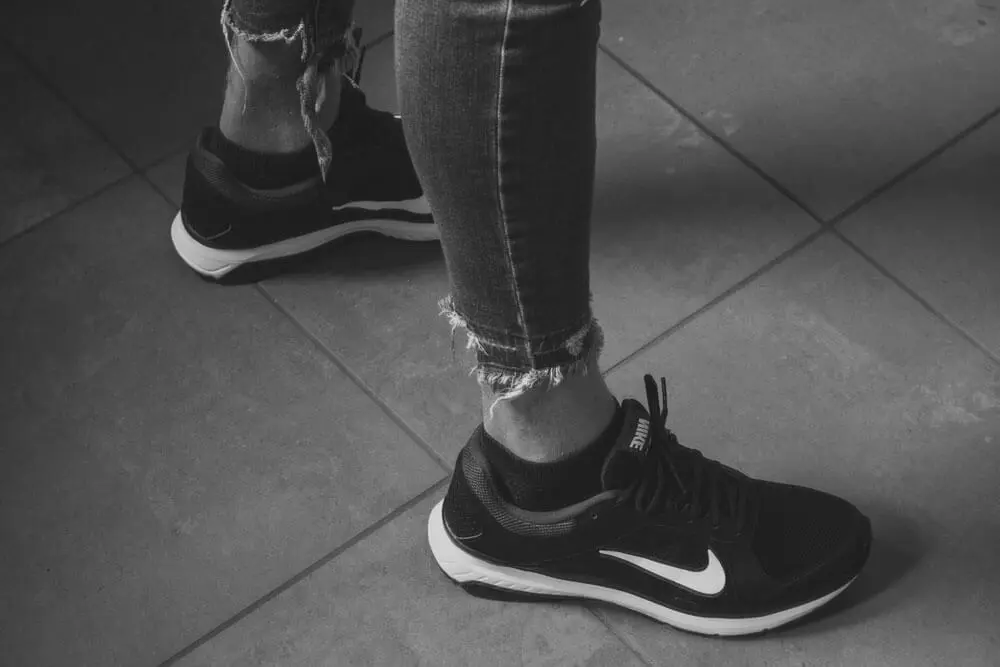
3D baropodometric testing provides the information needed to create custom insoles, tailored to the needs of each individual patient.
Find out moreArtro Sport Clinic's team of orthopaedic specialists, led by Dr. Ion Bogdan Codorean, senior consultant in orthopaedics and PhD in medical sciences, focuses on the prevention, diagnosis, treatment and rehabilitation of congenital or acquired conditions of the musculoskeletal system, whether traumatic or non-traumatic in origin.
Artro Sport Clinic's orthopaedic specialists focus on the prevention, diagnosis, treatment and rehabilitation of congenital or acquired conditions of the musculoskeletal system, whether traumatic or non-traumatic in origin. Musculoskeletal disorders is the generic name for more than 200 conditions affecting the muscles, joints, tendons, ligaments, peripheral nerves and secondary blood vessels. They are also among the most common work-related health problems, with 45% of workers in Romania affected by musculoskeletal disorders.



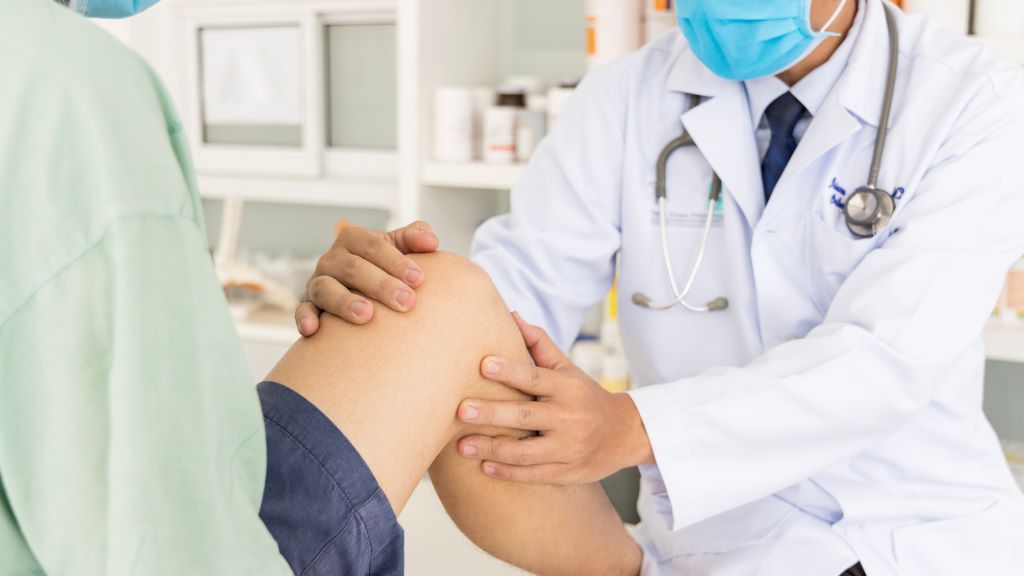
The knee is one of the most heavily used joints in the body and is frequently exposed to trauma and injury. A hard blow or a fall can cause damage, and one…
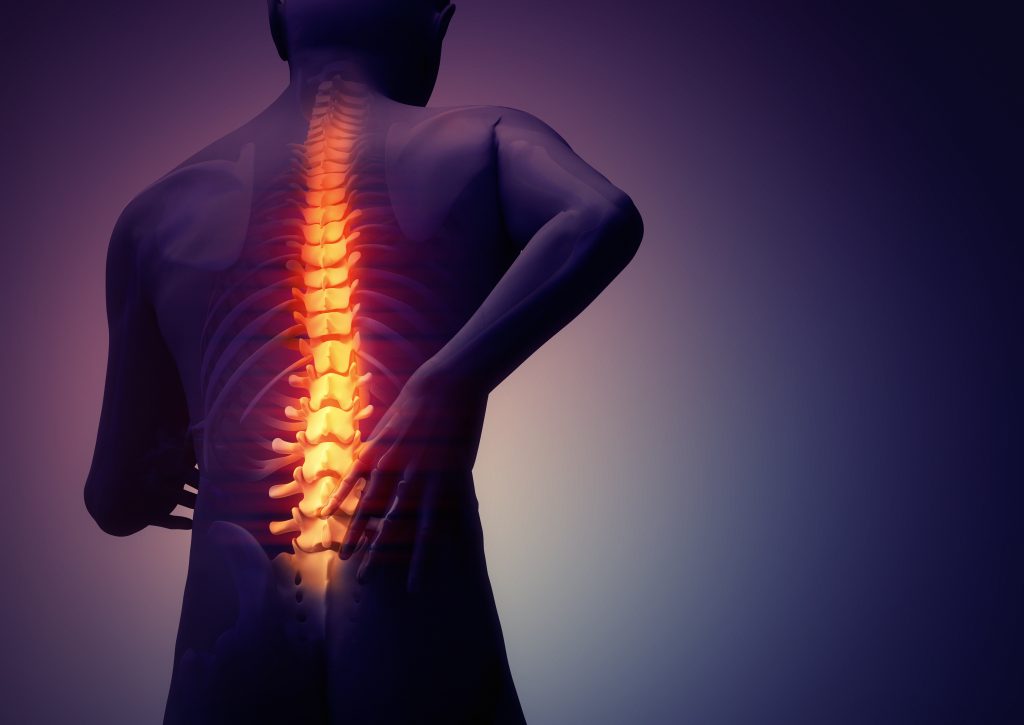
Back pain, also known as dorsalgia, is a common condition that affects millions of people around the world. It can have a negative impact on quality of life…
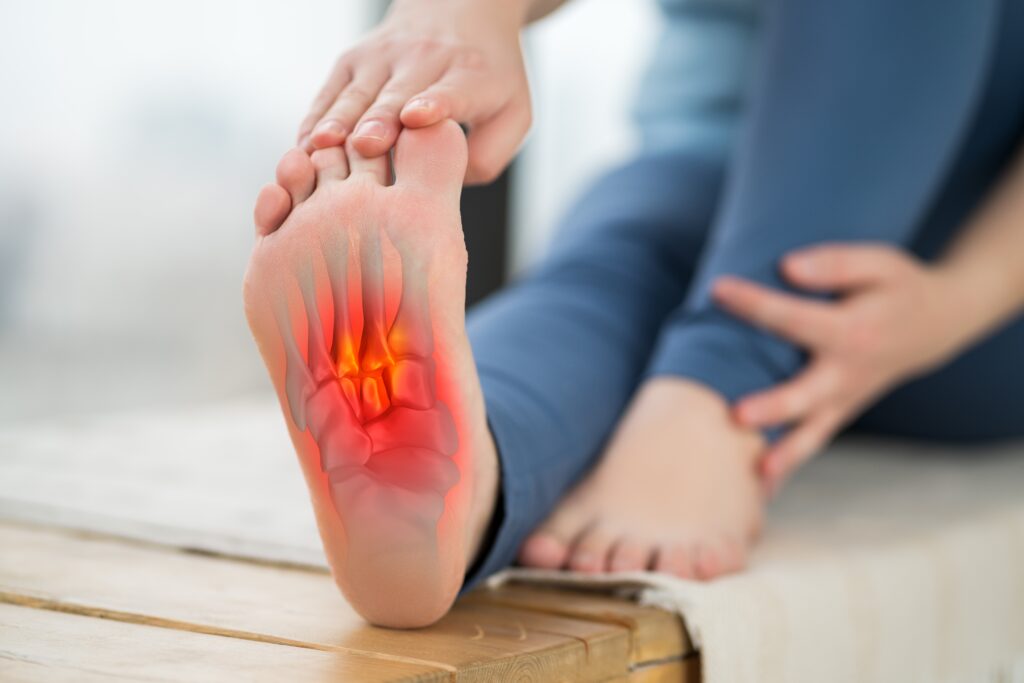
Plantar fasciitis is a medical problem that affects millions of people around the world and is known for the persistent pain it causes in the heel. This…